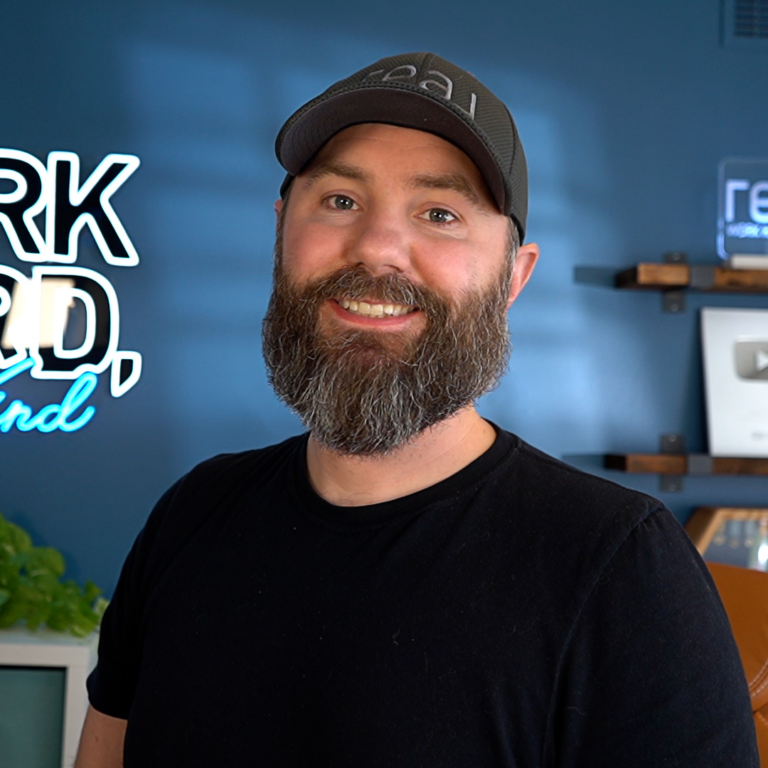

Choosing the right brokerage can change your take-home pay, growth path, and day-to-day life. In 2025, two names many agents are weighing are REAL Broker and CENTURY 21.
REAL positions itself as a modern, AI-driven, cloud brokerage built to streamline transactions and help agents scale efficiently.
CENTURY 21, one of real estate’s most recognizable franchise brands, offers the credibility and reach of a large national network backed by Anywhere Real Estate’s platform and services.
This side-by-side dives into background, splits, revenue share, stock, technology, and training so U.S. agents can decide which model best fits their business.
Key Differences:
REAL is a single, cloud-based brokerage with one nationally consistent model. CENTURY 21 is a franchise network in which each U.S. office is independently owned and operated, so agent experience and economics can vary by franchise.
Company Backgrounds

REAL Broker (NASDAQ: REAX) was founded in 2014 by Tamir Poleg with the vision of creating a modern, cloud-based brokerage where agents could build scalable businesses through technology, stock ownership, and community collaboration. From its beginnings as a small startup, REAL has become one of the fastest-growing brokerages in North America.
As of 2026, REAL has surpassed 33,000 agents across the United States and Canada, ranking #5 in sales volume and #6 in transaction sides according to RealTrends. The brokerage’s growth has been fueled by its low overhead model, nationwide consistency, and focus on artificial intelligence and automation to streamline every part of the real estate process. (Source)
REAL’s all-in-one cloud platform gives agents a fully digital business environment — from listings to closings — while also integrating mortgage and title services through its expanding Real Title and Real Mortgage divisions. The company’s culture, often summarized by its motto “Work hard. Be kind.”, promotes transparency, collaboration, and long-term financial alignment between agents and the brokerage.
Century 21 (U.S.)
Century 21 Real Estate LLC was founded in 1971 in Orange County, California, by Art Bartlett and Marsh Fisher with a mission to modernize the real estate industry through franchising. It quickly became one of the most recognized real estate brands in the world, known for its iconic gold jackets and heavy consumer marketing campaigns.
Today, Century 21 operates as part of Anywhere Real Estate Inc. (formerly Realogy Holdings Corp.), alongside other major franchise brands such as Coldwell Banker and Sotheby’s International Realty. The company’s U.S. network is composed entirely of independently owned and operated franchises, meaning each office sets its own commission splits, fees, and culture.
As of 2025, Century 21 maintains a strong presence across all 50 states with thousands of affiliated offices. Globally, the brand reports more than 12,000 offices and over 135,000 sales professionals in approximately 85 countries. However, U.S. agents should note that the experience can differ significantly from office to office depending on the local franchise owner’s business model.
In September 2025, Compass announced an agreement to acquire Anywhere Real Estate, Century 21’s parent company — a move that, if approved, could reshape how the brand operates and is supported. This transaction remains subject to regulatory review and is expected to close in late 2025 or early 2026.
Key Differences:
Operating model: REAL is a single brokerage entity with unified policies and systems; CENTURY 21 is a franchise system where offerings and economics vary by local owner.
Parent company: REAL is an independent public company (REAX). CENTURY 21 is a brand within Anywhere—and potentially within Compass pending the announced acquisition’s completion.
REAL Broker vs Century 21 Technology
REAL Broker Technology
REAL Broker positions itself as a technology-first brokerage, integrating artificial intelligence and proprietary tools to simplify every aspect of the real estate process. With over 130 full-time developers dedicated to product innovation, REAL’s ecosystem enables agents to operate efficiently from anywhere in the U.S. or Canada.
REAL’s suite of in-house and partnered technology includes:
reZEN – A back-office and transaction management platform and app that integrates compliance, commission processing, and agent support in one place.

Leo CoPilot – An AI-powered assistant that provides support to agents, analyzing data about their businesses, and eventually aims to handle contracts and client communication.

Real Wallet – A financial hub offering business checking, tax-planning tools, and a rewards program that agents can use to offset fees and caps.

REAL Signature – An in-house digital signature platform integrated into reZEN.

Lofty CRM
Offered through partnership, providing websites, CRM capabilities, and AI-enhanced marketing automation tools.


Design Center
REAL’s design center is similar to Canva except designed for real estate agents. It is integrated into the MLS so agents can pull over images and listing details in seconds and includes over 500 templates for everything from social media post to property brochures to postcards. Learn more.

Integrated Services
Through Real Title and Real Mortgage, agents can manage multiple components of the transaction within a connected digital ecosystem.
By developing most of its tech stack in-house, REAL ensures seamless integration, fewer third-party logins, and faster updates. The company’s emphasis on automation and data-driven tools empowers agents to save time, operate leaner businesses, and deliver a better client experience. (Source)
Century 21 (U.S.)
Century 21’s technology infrastructure is centrally provided by Anywhere Real Estate, with tools that support its independently owned franchises and agents across the nation. While not built on a unified national platform like REAL’s, Century 21 offers a collection of established tools and partnerships designed to help agents market listings, generate leads, and stay connected.
Key elements of the Century 21 technology suite include:
21Online® – The brand’s central intranet, offering access to company resources, marketing materials, training modules, and listing tools.
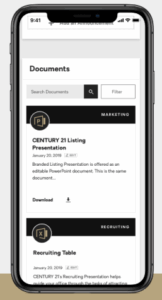
CENTURY 21® Design Center – A digital marketing platform where agents can create customized print, social media, and email campaigns.
MoxiWorks Platform – Through Anywhere’s enterprise partnership, Century 21 agents can access MoxiEngage CRM and MoxiPresent for lead management and digital presentations.
Zap® Platform (phasing into MoxiWorks) – A lead generation and client follow-up system integrated with Century21.com to help capture and nurture online leads.
While Century 21’s technology tools are robust, many systems depend on third-party providers, meaning agents often juggle multiple logins and software interfaces. Each franchise can also choose which optional tech stack to implement, leading to variations in consistency and access between offices.
Key Differences:
Platform Integration: REAL’s technology ecosystem is built in-house and unified under one login; Century 21’s relies on a mix of third-party tools that vary by franchise.
AI and Automation: REAL emphasizes AI-driven productivity tools (like Leo CoPilot and reZEN automation), while Century 21 focuses more on marketing and lead generation tools from external providers.
Mobility and Scalability: REAL’s 100% cloud-based model allows agents to manage their business entirely from mobile or desktop. Century 21 still operates within a franchise framework, where tools are often hosted locally or through parent-company channels.
Agent Experience: REAL offers a seamless, technology-driven workflow for modern agents. Century 21 provides brand-backed tools that are strong in marketing reach but less integrated operationally.
REAL Broker vs Century 21 Commission Splits, Caps & Fees
REAL Broker Caps, Splits & Fees
REAL Brokerage keeps its commission model straightforward and agent-focused, emphasizing transparency to let producers keep more from every deal. The core setup is an 85/15 split, where agents retain 85% of their gross commission income (GCI) and the brokerage takes 15% until the annual cap is reached.
Once capped, agents pocket 100% of commissions moving forward, paying only a flat transaction fee per side. This structure scales with your business type, making it flexible for solos, teams, or high-volume players.
Key details at a glance:
- Split: 85/15
- Annual Cap: $12,000 for solo agents& team leaders; $6,000 for team members or $4,000 for mega team members.
- Post-Cap Transaction Fee: $285 per transaction side. Transaction fee drops to $100 after hitting Elite Agent. Leases: $125 or 15% (lesser).
- CBR Fee: $50 fee per transaction for broker review & compliance
- Annual Fee: $900 annual fee (Paid $300 out of the first three transactions of the year)
Check out my REAL Fee Calculator to see how much it would cost to run your business at REAL.
CENTURY 21 Caps, Splits & Fees
Because CENTURY 21 is a franchise model, commission splits, caps, and fees can vary by franchise. However, common patterns and sample plans provide insight.
Many CENTURY 21 offices offer a starting split in the vicinity of 70/30 (70% to agent, 30% to broker) for newer agents or under “Kickstart” style plans. (Source)
More advanced plans, such as “Relentless,” shift to a 90/10 split for agents who reach certain production levels (or GCI thresholds) (Source)
Many CENTURY 21 models include a cap: for example, some offices set caps around $22,500 (the total split you pay to the broker before you keep 100%) (Source)
On top of the broker split, agents often pay a 6 % royalty / franchise fee (deducted from the agent’s commission side) on every closed deal, even after the agent hits a cap in some plans.
There are usually transaction fees (flat fees per side or per sale) and sometimes monthly fees (e.g. $100, $350) depending on the plan (Kickstart or Relentless) and the franchise. (Source)
Key details at a glance:
- Split: 70/30
- Royalty: 6%
- Cap: Depends on the office
- Transaction Fees: Depends on the office
- Monthly Fees: Depends on the office
Because of the franchise model, these numbers can vary widely depending on market, overhead, and the negotiating power of the franchise owner.
Key Differences:
Predictability vs variability: REAL offers a uniform, transparent national structure (85/15 split, $12,000 cap, fixed transaction fees) while CENTURY 21’s splits, caps, and fees depend heavily on the local franchise.
Back-end fees: CENTURY 21’s royalty/franchise fee (often 6 %) represents an ongoing drag on earnings, even after splits or caps. REAL’s CBR fees and post-cap transaction fees are significantly lower.
Agent upside after cap: Once capped, REAL agents keep 100 % (minus transaction fees). In CENTURY 21 models, agents may need to continue paying franchise or royalty fees or transaction fees even after hitting their broker split cap, depending on the franchise.
REAL Broker VS Century 21 Revenue Share
REAL Broker Revenue Share
REAL has one of the more transparent and generous revenue share systems in the cloud brokerage space. 60% of their monthly revenue goes back to agents in the form of revenue share. This is more than any other cloud brokerage and allows them to pay more per agent than anyone else. At REAL, you can earn up to $4,000 a year in passive income for every capping agent you attract to the company.
How Much You Can Earn per Tier
The percentages are how much you will earn from each commission from the agents you sponsor. This is taken out of the 15% that REAL takes.
| Tier | % of commission | Max Rev Share per year |
|---|---|---|
| Tier 1 | 5% | $4,000 |
| Tier 2 | 4% | $3,200 |
| Tier 3 | 3% | $2,400 |
| Tier 4 | 2% | $1,600 |
| Tier 5 | 1% | $800 |
Unlocking Higher Tiers
By default, only Tier 1 is unlocked (i.e., you can earn revenue share only on agents you directly bring in). To start earning from additional levels of revenue share, you must unlock those tiers through one of three paths:
Producing Tier 1 Agents Path: Recruiting a certain number of producing Tier 1 agents
Attractor Path: Unlock tiers based on the total size of your network (across all tiers), regardless of producing criteria
Producer Path: Unlock tiers by hitting your own production milestones, such as capping or Elite Agent.
See a more detailed breakdown here.
REAL Willable Revenue Share
At REAL, any revenue share an agent earns is completely willible. This means agents can build generational wealth and can leave passive income to anyone they designate, including children or grandchildren.
Check out REAL Revenue Share Calculator to get an estimate of how much you can earn.
CENTURY 21 Revenue Share
CENTURY 21 generally does not offer a built-in revenue share program at the national level like REAL does. Because it’s a franchise system, any referral or override programs would be local or internal to a franchise or team, not standardized across the brand.
REAL vs Century 21 Stock Awards
REAL Broker Stock Awards
REAL Broker rewards its agents with equity ownership in the company through a comprehensive stock incentive program. Because REAL is publicly traded on the NASDAQ under the symbol REAX, agents gain transparent access to the company’s market value and can watch their stock appreciate over time. (Source)
Agents can earn free stock awards in several ways tied directly to production and recruitment milestones:
Capping Award: Receive 15 shares of REAL stock each year after reaching the $12,000 annual cap.
Sponsoring Award: Earn 7 shares when a sponsored agent closes their first transaction.
Elite Agent Production Award: Top producers qualify for the Elite Agent Production Award and receive $12,000 in free stock.
Elite Agent Cultural Award: Elite agents who give back to their local community or the REAL community can also qualify for an additional $8,000 cultural award in free stock.
Stock Purchase Plan: Agents may elect to contribute a portion of each commission check toward purchasing REAL stock at market value and receive a company match of up to 15%.
All stock awards vest over a three-year period, ensuring long-term alignment between agents and the brokerage’s success.
REAL’s stock program allows agents to build wealth and ownership in a tangible way—some top producers even report earning more in free stock each year than they pay in caps and fees, effectively operating at a net gain. (Source)
Century 21 Stock Awards
Century 21 does not currently offer company stock or equity ownership to its agents at the national level.
Because Century 21 operates as a franchise network, each office is independently owned and operated, which means individual franchise owners may create local incentive programs—but these do not include national stock grants or profit-sharing tied to the public company’s performance.
Key Differences
Publicly Traded Access: REAL agents directly own equity in a NASDAQ-listed company; Century 21 agents do not receive stock ownership in their parent company (Anywhere Real Estate).
Wealth Building: REAL’s structured stock plan provides multiple opportunities to earn or purchase shares with company matching, giving agents a potential long-term asset beyond commissions.
Alignment: REAL’s model aligns agents’ financial success with the company’s market performance, while Century 21’s franchise model focuses on local office profitability rather than corporate equity.
REAL Broker vsCentury 21 Training
REAL Broker Training
REAL emphasizes a collaborative, agent-led learning culture that combines virtual accessibility with in-person community events. The brokerage’s training model is built around transparency, skill development, and peer-to-peer mentorship. (Source)
REAL’s training ecosystem includes:
REAL Academy – A comprehensive digital library of live and recorded classes covering business development, marketing, compliance, and leadership. Agents can access these sessions from anywhere through the REAL platform or mobile app.
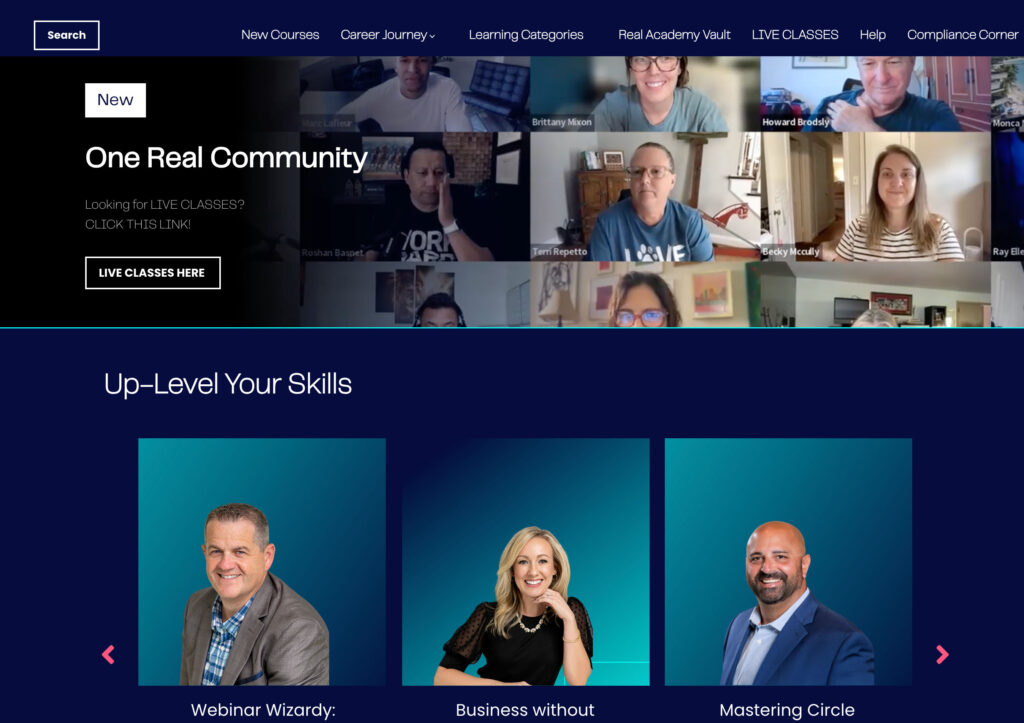
Weekly Masterminds – Regular virtual mastermind sessions hosted by top-producing REAL agents across North America. Topics include social media growth, lead generation, investing, and scaling teams.
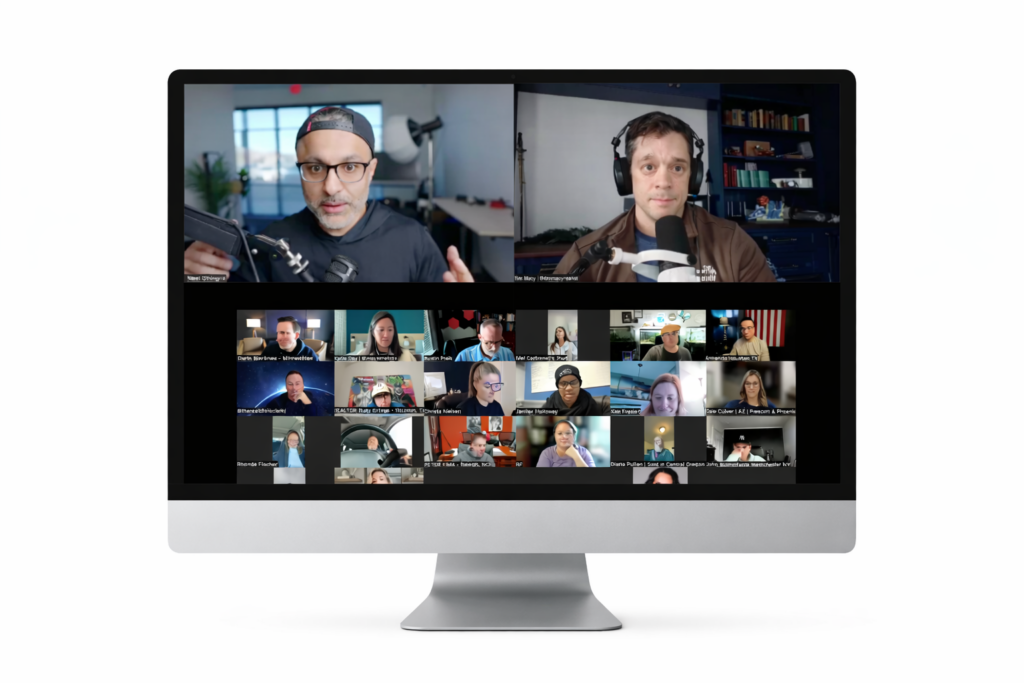
- Mentorship Program – Agents can opt into mentorship under top-performing agents around the country to gain real-world experience. This is completely optional, you get to choose your mentor and is paid for out of a % of the mentees next three transactions. Source.
Official REAL Events – REAL hosts major events throughout North America, including its annual RISE Conference, REAL Academy On The Road workshops, and special events like ringing the bell on the NASDAQ and more. See upcoming events.
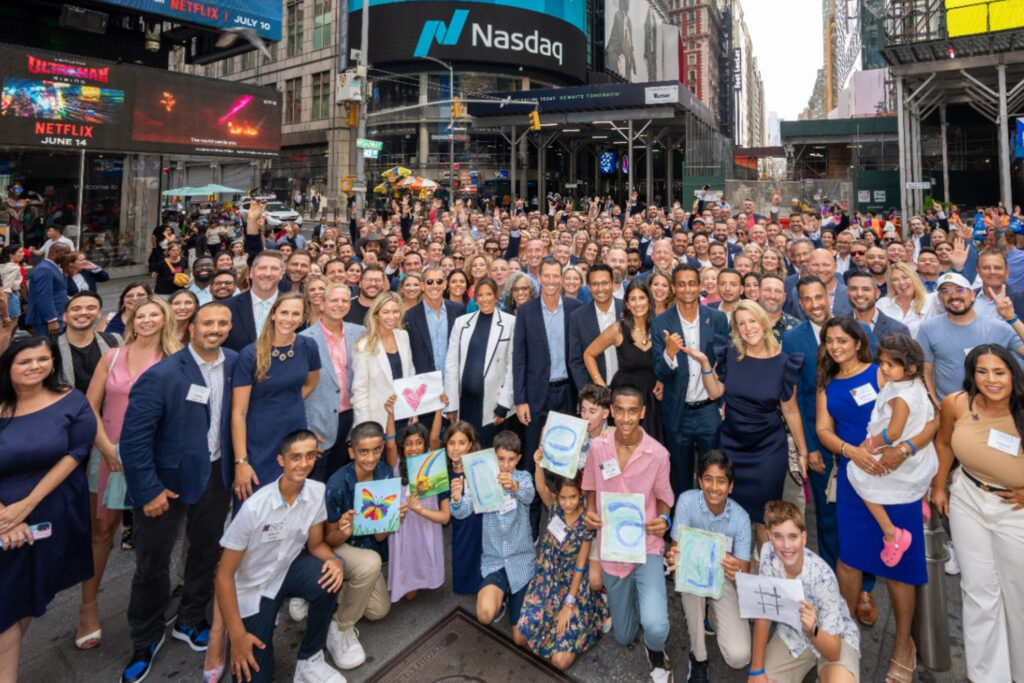
- REAL Supported Events – REAL also supports agent organized events by providing them an infrastructure, templates and key note speakers such as the CEO of REAL such as their Further Together events.

- Workvivo – This is a social media platform but only for REAL agents. Here you can join groups, ask questions, and tap into the REAL agent community.

This structure allows agents to plug into a national network of collaboration while maintaining the flexibility of a cloud-based brokerage.
Century 21 Training
Century 21 has built its reputation on structured, brand-level training as well as local office level training. As a franchise organization, training offerings vary by office but are anchored by robust national programs and partnerships supported by Anywhere Real Estate. (Source)
Key elements of Century 21’s training ecosystem include:
CENTURY 21 University® – The company’s proprietary online learning platform featuring courses in sales, negotiation, marketing, and leadership, available on demand to all affiliated agents.
C21 Coaching Programs – Many franchises offer access to personalized business coaching, goal tracking, and accountability sessions designed to help agents reach production milestones.
New Agent Onboarding – Most Century 21 offices provide in-person or virtual onboarding programs that introduce agents to the brand’s systems, compliance standards, and marketing resources.
Mentorship Opportunities – Some offices provide in-house mentorship or team-based guidance programs for new agents, though structure and compensation vary by franchise.
Industry Recognition – Century 21 agents can pursue professional designations and recognition through the brand’s “Relentless Agent Awards” and community service initiatives. (Source)
While training quality is generally strong, consistency depends on the local broker-owner’s investment in resources and coaching staff.
Key Differences:
Access & Consistency: REAL provides nationally consistent virtual training for all agents, while Century 21’s programs vary widely across franchises.
Format: REAL emphasizes agent-led masterminds and collaborative, cloud-based learning; Century 21 focuses on structured coursework and traditional training paths.
Incentive Alignment: REAL ties top producer recognition to community teaching through the Elite Agent Award. Century 21’s incentives are recognition-based, with no direct financial or equity tie-in.
Community: REAL’s cloud-based model fosters a national agent community connected through virtual masterminds. Century 21 maintains local, office-level communities centered on regional training.
Conclusion
Both REAL Broker and Century 21 represent respected and successful models in the U.S. real estate landscape—but they cater to fundamentally different types of agents.
REAL appeals to agents who want a modern, technology-driven, low-overhead brokerage that rewards growth through equity, scalability, and passive income. Its unified model, transparent cap structure, and stock/revenue share opportunities make it ideal for independent, business-minded professionals looking to build long-term wealth.
Century 21, on the other hand, appeals to agents who value legacy branding, local office space, and traditional brokerage support. Its extensive training programs, franchise-level resources, and global reputation make it well-suited for agents who prefer a traditional way of doing things.
Ultimately, the decision depends on whether you prefer to align with an AI-powered, agent-owned future (REAL) or a franchise heritage brand with decades of name recognition (Century 21).